Table of Contents
- Python Gui Animated Side Menu Pyside Pyqt Moder Ui In - vrogue.co
- Create a GUI Calendar using PyQt5 in Python - Javatpoint
- Create a GUI Calendar using PyQt5 in Python - Javatpoint
- Building a calendar application GUI | Mastering GUI Programming with Python
- How To Make A Calendar GUI(Graphic User Interface) By Python Using ...
- GUI Calendar using PyQt5 in Python - TAE
- Building a calendar application GUI | Mastering GUI Programming with Python
- python 使用PySide2编辑gui模式_pyside2 编辑ui文件-CSDN博客
- How To Build A Calendar In Python Using Tkinter Build - vrogue.co
- Python GUI编程:PySide2介绍_[python][gui]pyside2-CSDN博客

Introduction to PySide2
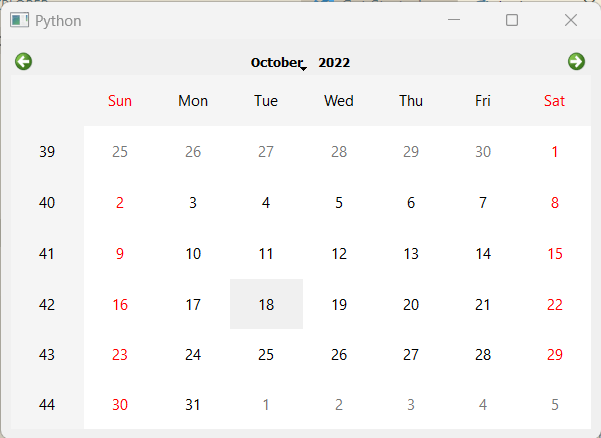
Why Create Custom GUI Widgets?
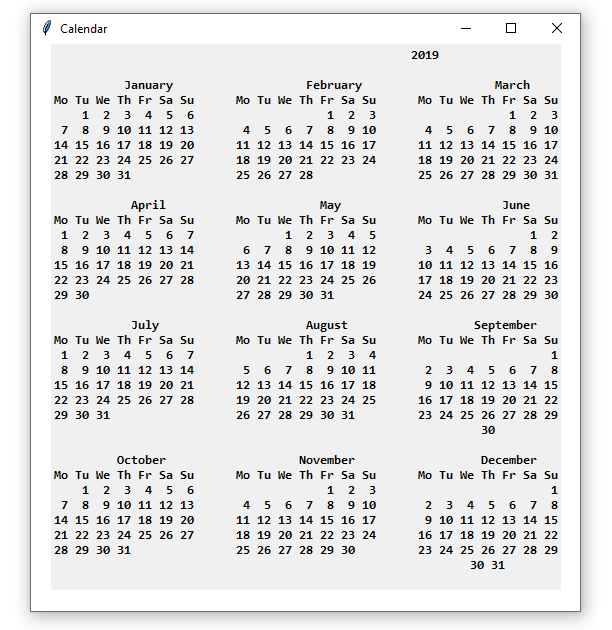
![Python GUI编程:PySide2介绍_[python][gui]pyside2-CSDN博客](https://img-blog.csdnimg.cn/img_convert/8311f994d5e925a315f6a84d253f236a.png)
Creating Custom GUI Widgets with PySide2
To create a custom GUI widget with PySide2, you need to follow these steps: 1. Subclass a Qt widget: You can subclass any Qt widget, such as QWidget, QPushButton, or QLabel, to create a custom widget. 2. Define the widget's properties and behavior: You can define the widget's properties, such as its size, color, and font, and its behavior, such as how it responds to user input. 3. Implement custom painting and rendering: You can implement custom painting and rendering to create a unique visual appearance for your widget. 4. Add custom functionality: You can add custom functionality to your widget, such as handling user input or interacting with other widgets.